THE COMPANY WINNING YOUR CONTRACTS HAS HALF YOUR EXPERIENCE
Date
Category
Web Development

Overview
There's a particular kind of unfairness that shows up in tendering, and most construction and industrial business owners have felt it at some point.
You've been doing this for fifteen, twenty years. You know the sites, the standards, the suppliers, the way things actually go wrong on a job and how to fix them. And then the contract goes to a company that's been trading for three years, doesn't have half your experience, but somehow looked more established than you did on paper.
It's tempting to write this off as bad luck, or a decision-maker who didn't do their homework. Usually it's neither. The buyer was removed from consideration before your actual capabilities were ever weighed -because the online research stage ruled you out first.
That's uncomfortable to sit with if you're confident in the work itself. But it's also, in a strange way, good news: it's fixable.
The Trap
Procurement teams, project managers, and main contractors increasingly do a chunk of their vetting online before they ever pick up the phone. They're not reading your case studies in forensic detail. They're forming a fast impression - does this business look current, active, and professional, or does it look like a website from 2016 with a Facebook page that hasn't posted since a company Christmas party three years ago? That impression gets formed in seconds, and it happens whether or not you're in the room to correct it.
A lot of established trades and construction businesses have built genuine credibility the hard way - through decades of delivered work, repeat clients, and a reputation that took years to earn. But that credibility often lives entirely offline, in people's memories and old relationships. Online, there's nothing current backing it up. So a newer, smaller competitor with an active LinkedIn presence and a website updated last month can end up looking more "real" to someone doing due diligence than a business with three times the experience and none of the visible proof.
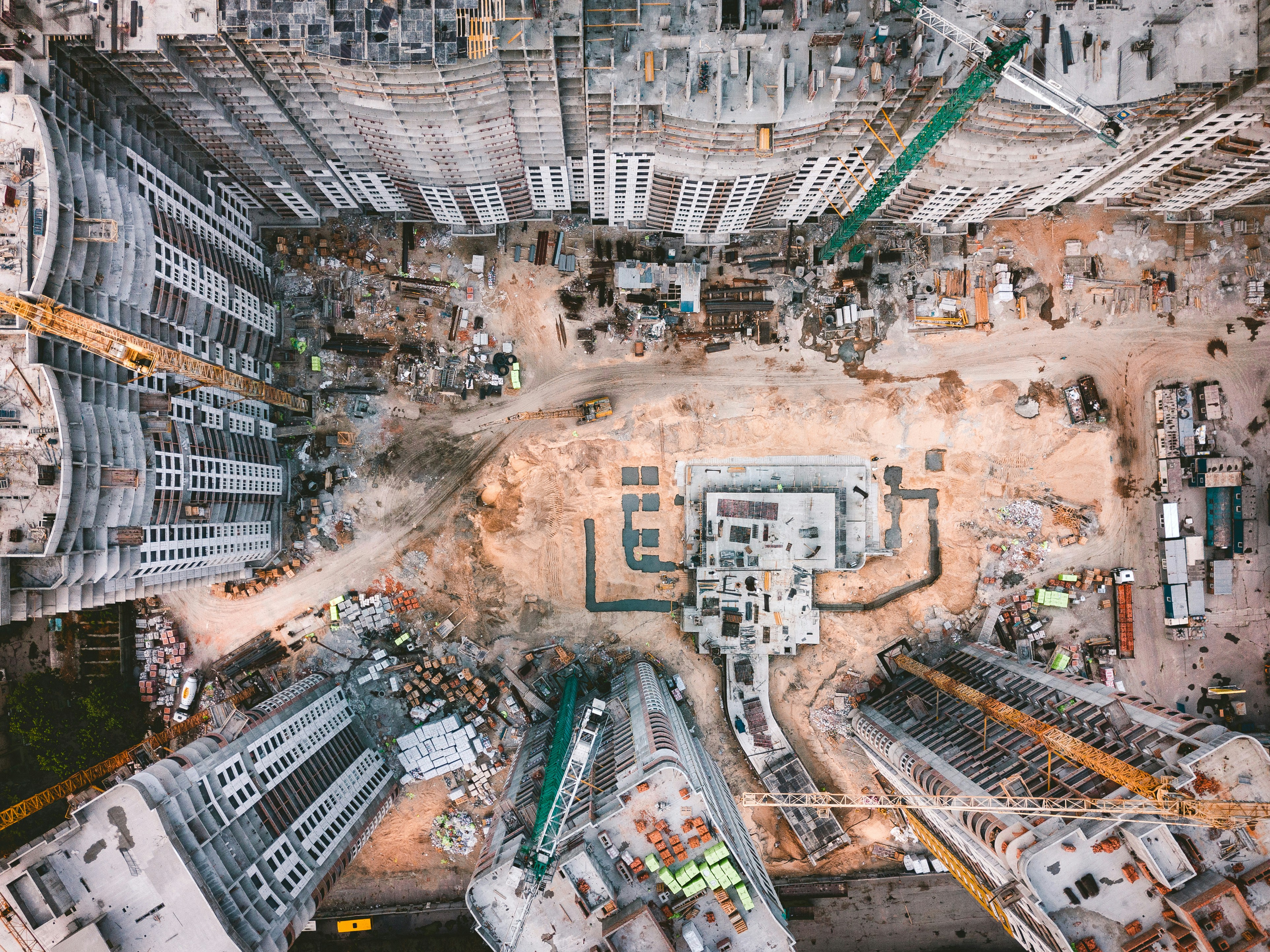

None of this means your history doesn't matter. It means your history isn't doing any work for you if nobody researching your business can find it. A "Trading Since 2003" line on a homepage that hasn't otherwise changed since 2019 doesn't read as heritage. It's inactivity, and buyers doing due diligence tend to interpret inactivity as risk - is this business still operating properly? Are they keeping up with standards? Do they still have the capacity they used to?
You don't need a total overhaul. You need to make the credibility you've already earned visible in the places people are actually looking - current project photos, a LinkedIn presence that shows the business is active and engaged, case studies that prove capability rather than just claiming it. The work doesn't need to change. What needs to change is whether the people evaluating you can actually see it before they've already made up their mind.